1% Notes: Managing Oneself by Peter Drucker
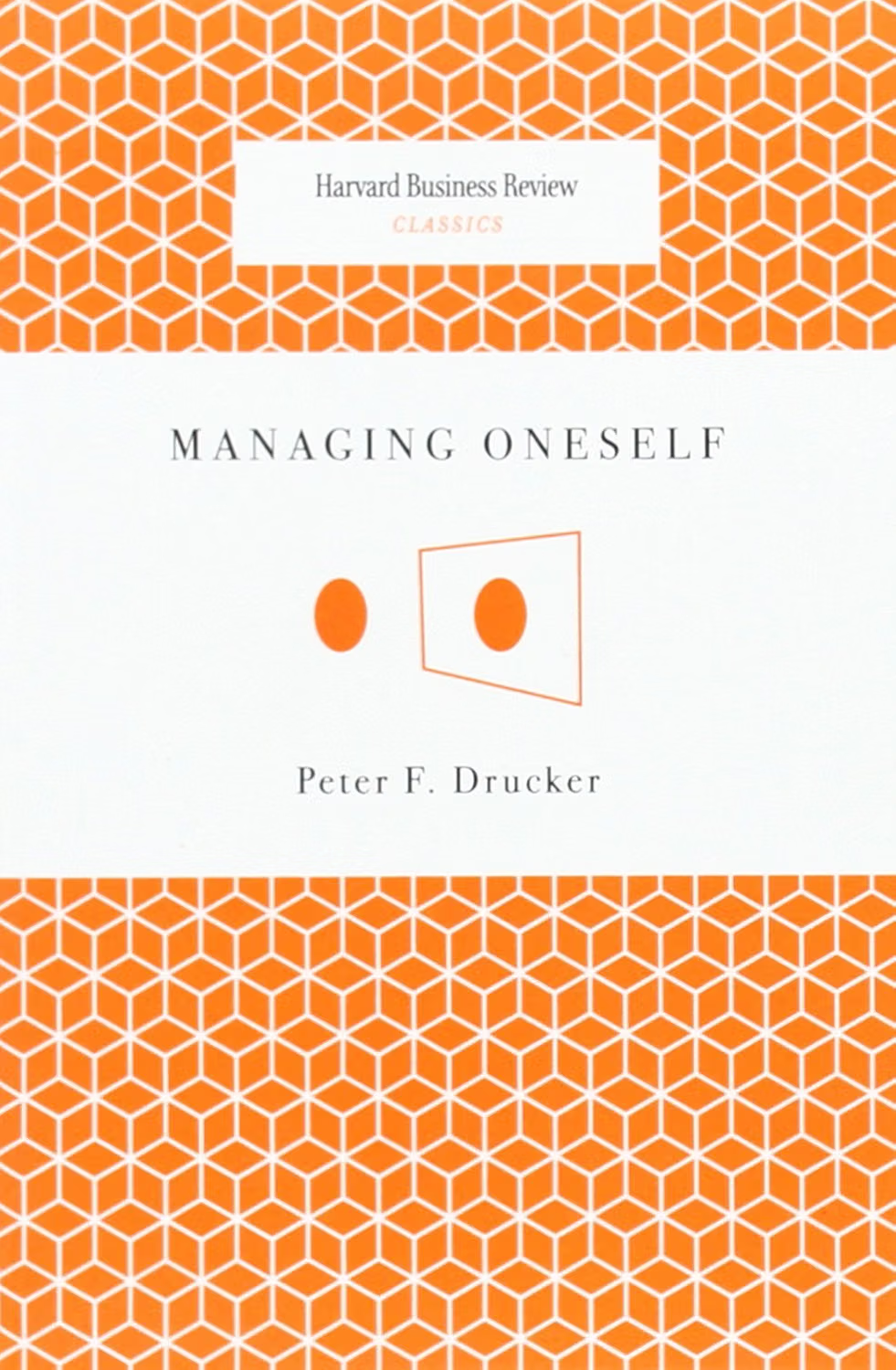
I read this a long time ago. Tai Lopez recommended it once as his number one book of all time, so I picked it up.
It is a short, interesting little book about running yourself. Just over 70 pages.
Peter Drucker wrote it as an essay for Harvard Business Review in 1999, later published as its own small book. He is considered the founder of modern management, and this is his most personal work. Not about running a company but about running yourself.
Running yourself and actually knowing how you work is one of the most important things you can figure out in life. Over the years I have learned this the hard way. Things I once saw as weaknesses often turned out to be strengths I just had not learned to use yet.
Do you think best by reading or by talking it through out loud? Are you a decision maker or the person who helps someone else decide? Not the same skill. Do you need pressure to perform, or does pressure just wreck you? Do you disappear in a big company or shrink in a small one? Know which.
None of this is about talent. It is about knowing how you actually work.
Back when he was just a guy in ice
I found an old PDF this week from 2009 or 2010. Back when I was already following Wim Hof.
At that time, he was just some “crazy guy” in the Netherlands breaking cold records. Sitting in ice. Running barefoot through snow. Known only by a tiny group of followers.
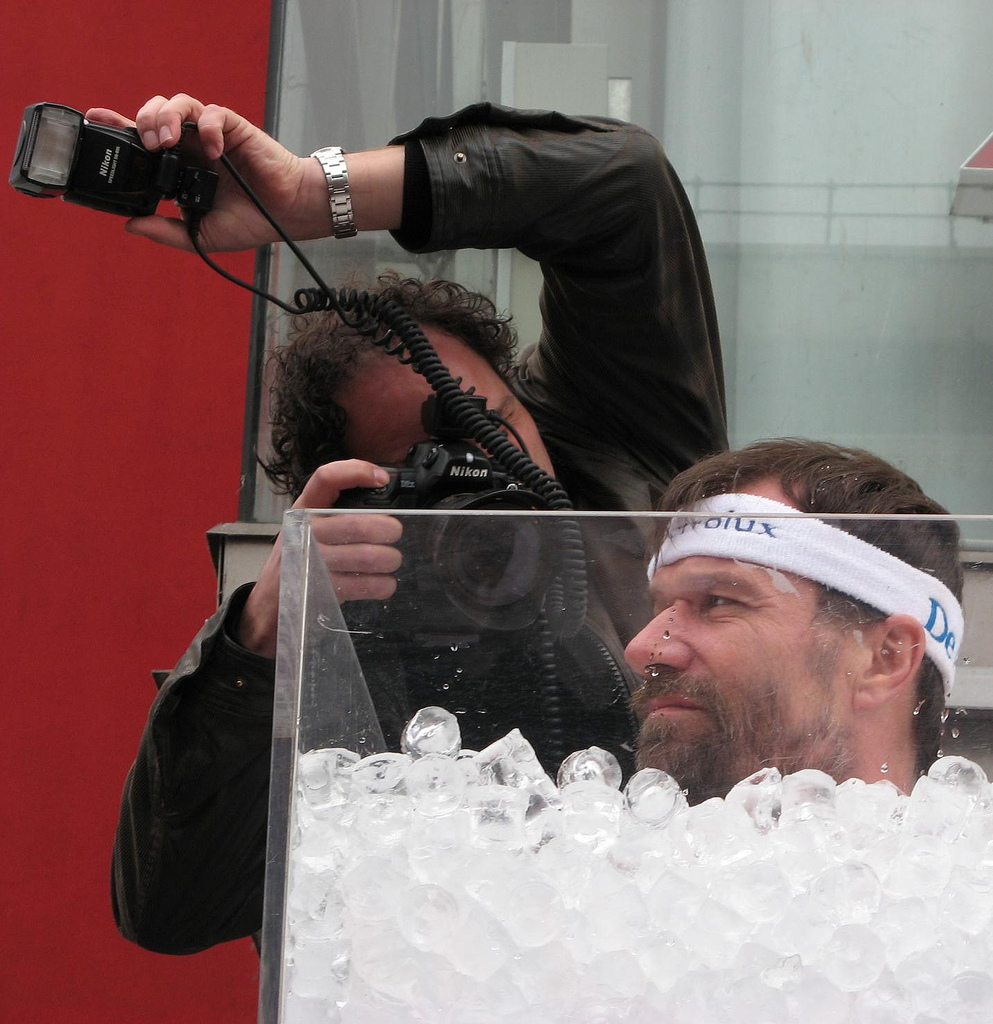
Photo: Aad Villerius
I had downloaded this breathing guide straight from his website. The PDF was in Dutch. Super simple design. Wim even had to explain in it who he was. That says everything about how unknown he still was.
It is the same breathing method he is now world-famous for. I translated the PDF into English without changing anything. Just the words. The exercise is still just as powerful. I still do it regularly.
One important thing: never do this breathing exercise in water or in risky places. There are stories of people fainting. Always stay safe.
Finding this old file reminded me of something. At first, people think you are crazy. Then one day, you are a genius, doing the exact same thing you always did. So whatever you are building, keep going.
As Steve Jobs put it: “Those who are crazy enough to think they can change the world are the ones who do.”
Saying no is kind
Adam Grant wrote something this week that I recognised straight away.
He calls himself a recovering people pleaser. For years he never told the Uber driver the car was freezing, or the waiter the chicken was undercooked. He said yes to everything, even to people who had bullied him.
He thought he was being kind. He doesn’t think that anymore.
People pleasing isn’t about caring for others. It’s about wanting their approval. Underneath it sits the fear of being disliked. Your self-worth starts depending on what other people think of you. So it’s not about their feelings. It’s about how their feelings make you feel.
And here’s the part that got me: it doesn’t even help the other person. Every time Adam said nothing about the freezing car, the next passenger got to shiver too. Your silence just passes the problem on.
I see a lot of my younger self in this. Always saying yes. Never wanting to be the difficult one. It took me years to figure out that agreeing with everyone isn’t the same as being good to them.
Maybe that’s why Give and Take is still one of the best books I’ve read. Also by Adam Grant. It’s about givers, takers and matchers, and how givers often come out on top, as long as they don’t give everything away.
Three questions that fix almost any sentence
I’ve been following Harry Dry for a while, and I always look forward to his newsletter. Every Monday he shares three short examples, two copywriting tips, and one favourite tweet. You learn so much about saying a lot with very few words.
It all comes down to three questions.
Can you see it? Apple didn’t say “5GB of storage.” They said “1,000 songs in your pocket.” Same product, completely different feeling.
Can you check it? “Pizza delivered in 30 minutes or it’s free.” You can hold them to that. “World’s best pizza” means nothing. Nobody can test it, so nobody believes it.
Could anyone else say it? “Quality you can trust” could come from any brand. “You’re not you when you’re hungry” could only be Snickers.
I tested a few of my own sentences against these three questions. Most of them failed all three. Time to rewrite and get better.
Tiny upgrade: the full list of 52
I love small habits, products, and tools that make life a little better. Not big changes, just small things that quietly add up.
For a while now I have been sharing one of these at a time in this newsletter: something cheap, something simple, something with a return way bigger than the effort it takes.
I finally put all of them in one place: a list of 52 tiny upgrades that make my life a bit better. Sleep, health, focus, work, home, systems. Everything I actually use myself, nothing I just researched and never tried.
What I’m reading
I finished Steal Like an Artist by Austin Kleon. The book says nothing is original: every great idea is just old ideas combined in a way nobody tried before.
I started Zen in the Art of Archery by Eugen Herrigel. The book is about a German philosopher spending years learning to shoot an arrow, only to discover the real lesson was learning to let go.
I’m still reading Breaking the Habit of Being Yourself by Joe Dispenza. The book argues that most of us are not living our lives. We are just repeating our past, one familiar thought at a time.