Welcome to ReadtoSucceed. Where one idea can change everything.
In this issue:
- Breaking the Habit of Being Yourself by Joe Dispenza
- Thinking in Bets
- The 30-Second Stress Fix
- Everything Is Boring Now
- Tiny Upgrade: The trick that makes chores fun
Let’s dive in!
1% Notes
Breaking the Habit of Being Yourself by Joe Dispenza
I give this book five stars. It's about how you've pushed yourself into a certain direction over the years. And how you can actually change that.
Dispenza's idea is simple. Most of us live the same day over and over. Same thoughts. Same habits. Same feelings. And then we wonder why nothing changes.
He says your personality is made of how you think, act and feel. Repeat that long enough and it runs on autopilot. Your body even gets used to the same emotions. Stress, worry, frustration. After a while, they just feel normal.
To break it, a few ideas stood out for me:
- Notice your automatic thoughts and feelings. You can't change what you don't see.
- Don't let old feelings run your day. Dispenza calls it thinking greater than how you feel.
- Rehearse the new you in your mind, before it shows up in real life.
The book ends with a meditation program to put all of this into practice. I'll be honest. I've barely done the meditations so far. But I want to. Even without them, it's an easy five stars.
You're not stuck with who you've been. You're just used to it.
Watch
Thinking in Bets
This video puts words to something I’ve felt for years, at the poker table and in life.
I love poker. And in poker you learn one thing fast. You can play a hand perfectly and still lose. It’s the same outside the game. Sometimes I make a good choice based on what I knew at that moment, but it still turns out badly.
It immediately made me think of the early days of Bitcoin. A few friends had put some bitcoins on my phone, just for fun. Back then they were around 50 euros each. A while later I sold them with a big profit, for a few hundred each. At the time I thought, good decision.
We all know how that story ended.
Sandeep Swadia explains this in an 18-minute video about Thinking in Bets by Annie Duke. She’s a poker player who spent 20 years at the table and won millions. I just started the book myself.
The tip I’m taking from it. Next time you feel sure about something, ask yourself: would I bet $100 on it? You’ll quickly find out how sure you really are.
A good result doesn’t make you smart. A bad result doesn’t make you stupid.
Idea
The 30-Second Stress Fix
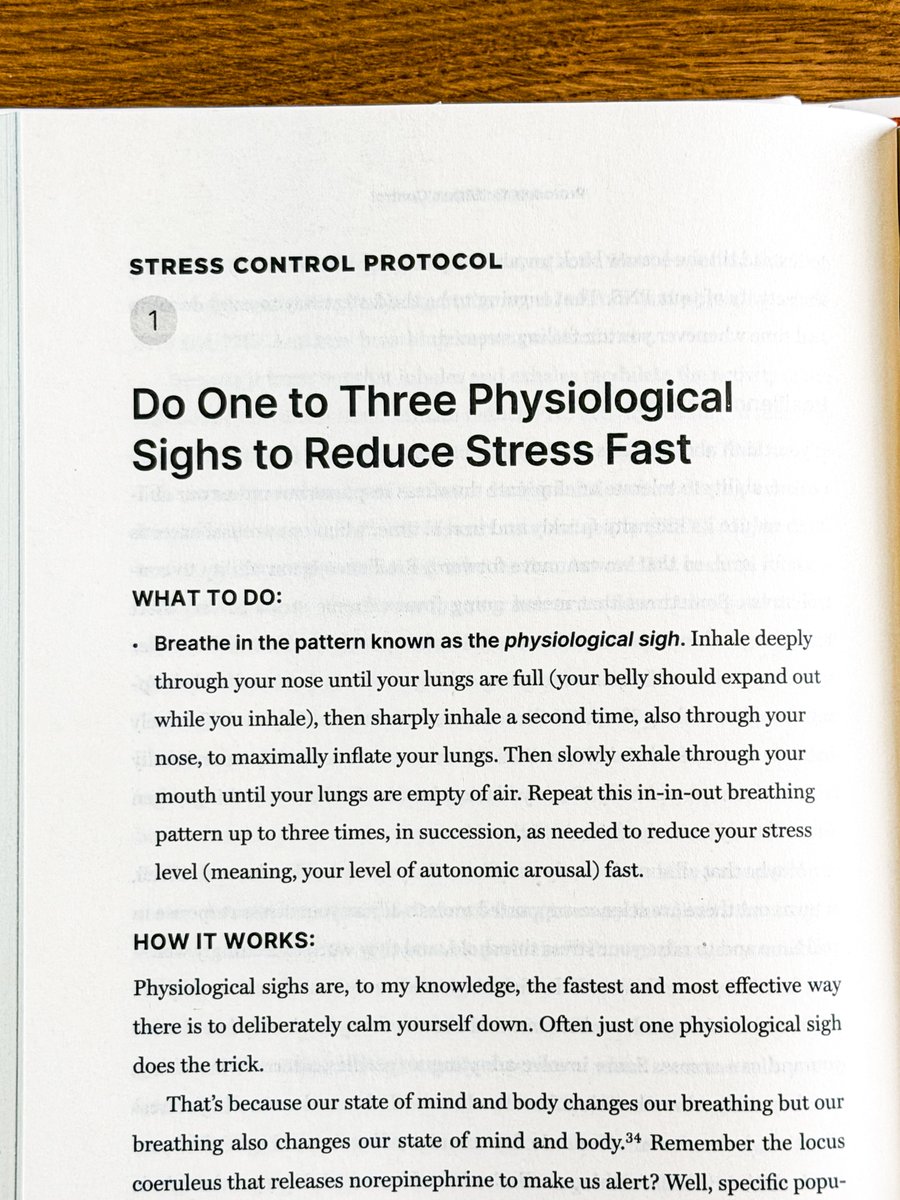
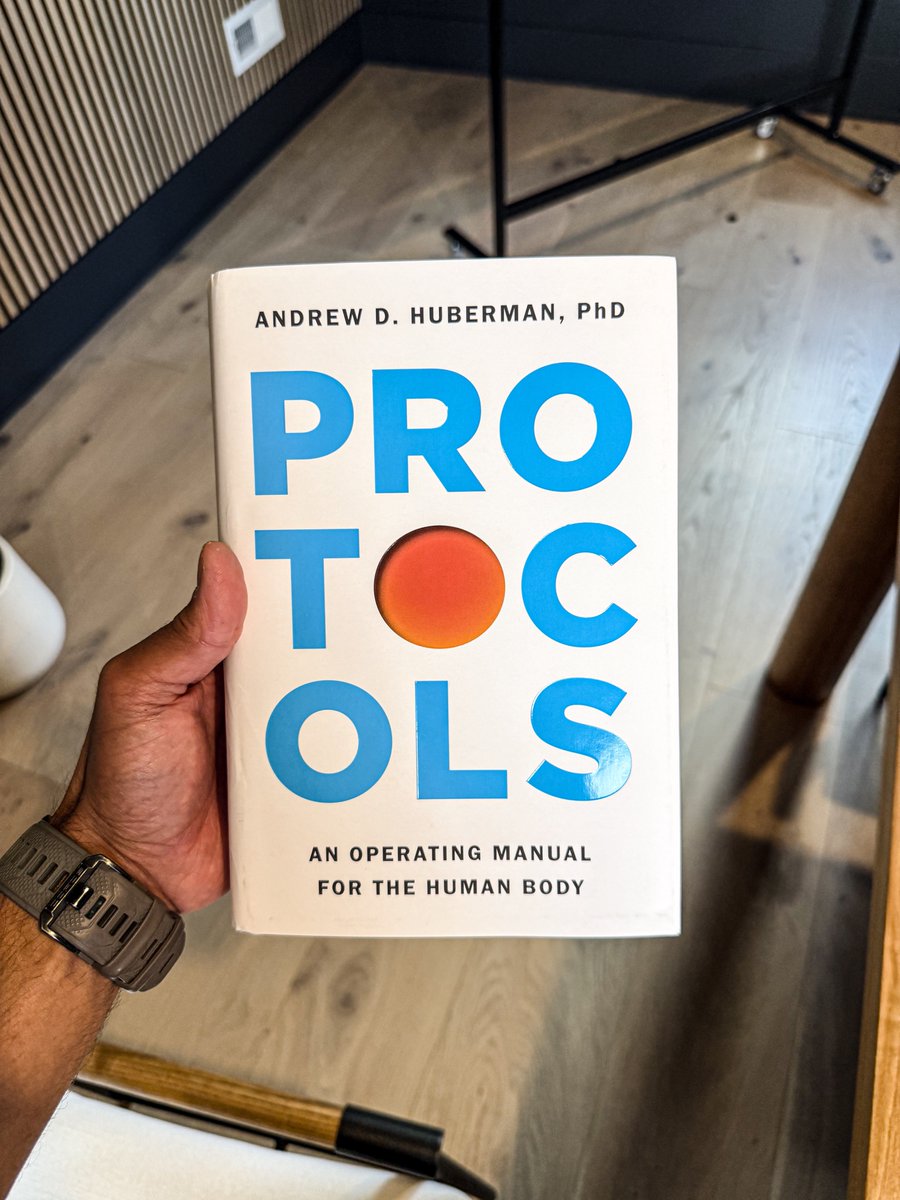
Sahil Bloom is one of those people I always like to follow. This week he shared a page from Protocols, the new book by Andrew Huberman. It’s already on my list.
The page is about a simple breathing trick. You’ve probably seen it before. Kids do it after a good cry. Two quick breaths in, then one long breath out.
It’s called the physiological sigh.
|

Here’s how you do it:
- Take a deep breath in through your nose.
- Add one more short breath on top.
- Let it all out slowly through your mouth.
- Do it up to 3 times.
Sounds strange. But it works. Huberman calls it the fastest way he knows to calm yourself down. One round is often enough.
Use it before a big meeting. Before a tough conversation. Or when your kid is lying on the supermarket floor, screaming again.
Try it now. It only takes 30 seconds.
Watch
Everything Is Boring Now
It’s the school holidays here. My two youngest, 6 and 8, are only allowed on the iPad for a bit on the weekend. And you can see so clearly what it does to them.
All day they’re active. Playing together, running around, having fun. Then you hand them an iPad, and they sit quietly in a corner, eyes on the screen. A friend knocks on the door, and you have to drag them off it. Otherwise they don’t even want to go outside.
And after that hour? Everything is boring. Nothing is fun anymore.
I’ve lost count of how many videos about screen time I’ve watched. But it always comes down to the same thing. You have to protect yourself. Discipline won’t save you. The big tech companies do everything possible to keep you on your screen one millisecond longer.
In this video, Steven Bartlett talks with Dr. Sahar Yousef. She runs a lab at UC Berkeley that studies focus and the brain. She explains how every app, every sound and every vibration on your phone is tested to keep you hooked. Tested by people like her.
So my tip, especially if you have kids. Keep the iPad and the phone away from them as long as you can. They’ll forget about it within a week.
Now I just need to do a better job of this myself.
Tiny Upgrade
Music While You Clean
Do you ever get tired of the cleaning too? Tidying up, doing the dishes, the laundry. Every day again. And the next day it starts all over.
My trick is simple. Earbuds in, favorite playlist on.
And suddenly cleaning up after dinner is fun. The time flies. And when I’m done, I often just keep going. Because I’m in a nice flow and the music is good.
Dr. Sahar Yousef also talks about this in the video above. Teachers use cleanup songs with little kids for a reason. The song has a clear start and a clear end, and the kids work faster as it gets closer to the end. Turns out it works on me too.
Pick a playlist that only plays during chores. After a while, your brain links it to getting things done.
Small trick. Clean house. Good mood.
Reading list
What I’m Reading
Here’s what I’ve been reading lately:
- I started Thinking in Bets by Annie Duke. The book argues that a good decision can still have a bad result, and that we should stop judging our choices only by how they turn out.
- I started Uniquely Human by Barry Prizant. The book argues that autistic behaviors aren't problems to fix but ways of coping with a world that often feels overwhelming.
- I'm still reading Humankind by Rutger Bregman. The book argues that most people are deep down decent and that we've been told the opposite story for far too long.
Sometimes this newsletter includes affiliate links. If you make a purchase, I may earn a small commission at no extra cost to you.